Let’s make this year better. Less drugs and pain, more activity and memories.

Let’s make this year better. Less drugs and pain, more activity and memories.
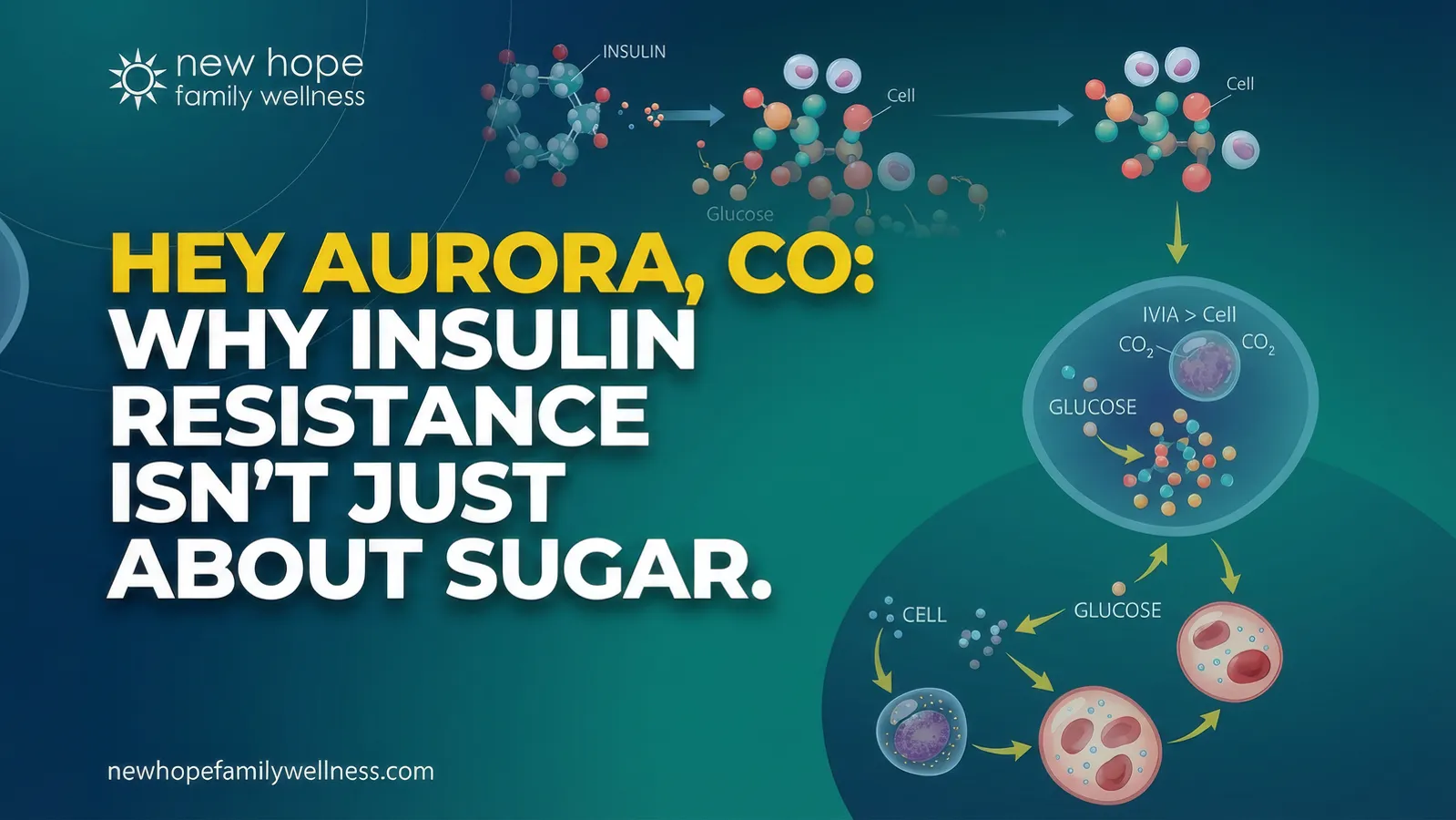
When most people hear “insulin resistance,” they think of blood sugar and sugar intake. But the real story is much bigger.
Insulin resistance is about more than just what you eat—it’s about inflammation, fluid balance, immune activity, and how your nervous system handles stress. Understanding this bigger picture can help you make sense of your symptoms and why typical approaches don’t always work.
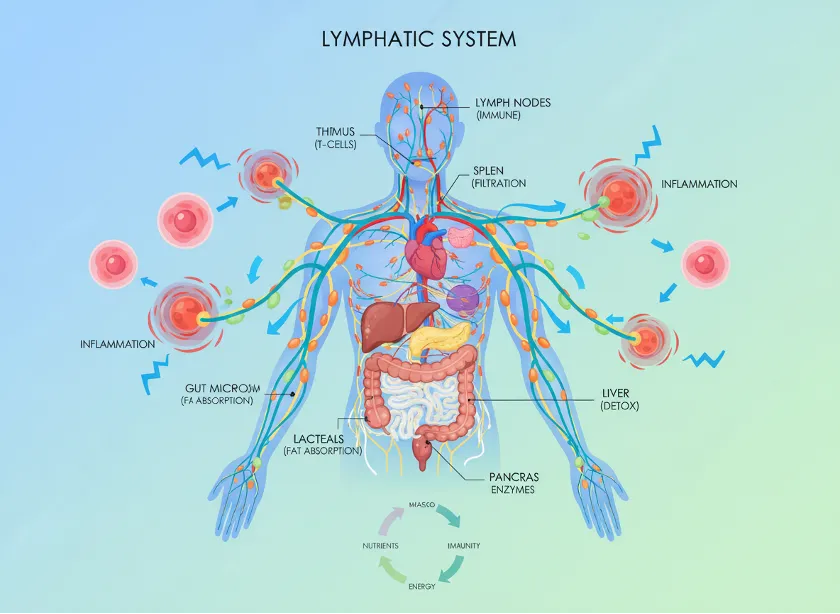
Lymphatic system illustration
Insulin’s main job is to help move glucose (sugar) from your blood into your cells for energy. Think of insulin as a delivery messenger. After you eat, insulin tells your cells to open up and let glucose in. But with insulin resistance, your cells stop listening. Your body tries to shout the message louder by making more insulin. Over time, this leads to high insulin levels, unstable blood sugar, belly fat, fatigue, inflammation, and brain fog. This isn’t a personal failure—it’s your body’s response to ongoing stress.
The real trouble often starts in the fluid and environment around your cells—not just in your blood. Between your blood vessels and cells is a thin layer called interstitial fluid. It’s like a busy street where nutrients, hormones, and waste travel. The lymphatic system is in charge of keeping this street clean, draining excess fluid, clearing inflammation, and helping your immune system.
Unlike your heart, the lymphatic system doesn’t have a pump. It needs movement, deep breathing, and a calm nervous system to keep things flowing. When lymph flow slows down, fluid and inflammation build up, making it harder for insulin to reach your cells. This is why insulin resistance can feel like puffiness, swelling, or heaviness—not just weight gain.
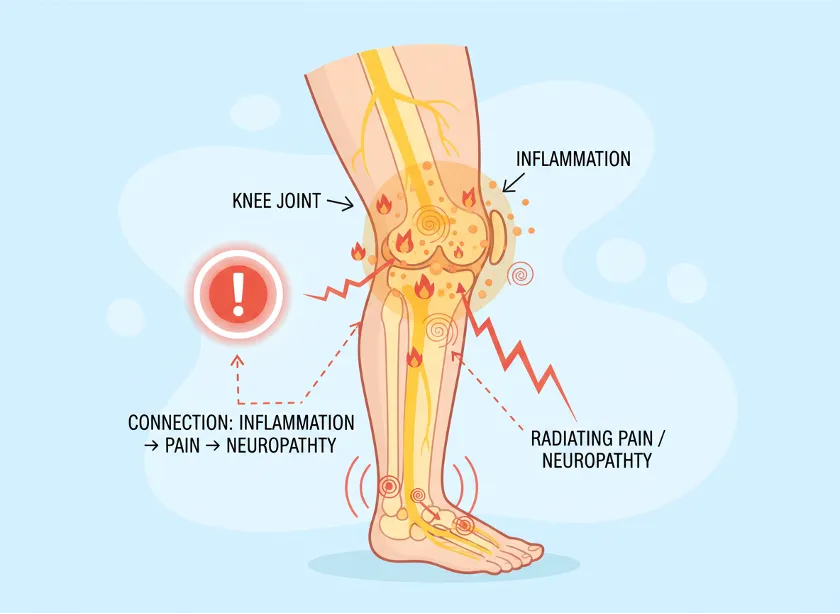
Inflammation, knee pain, and neuropathy illustration
Chronic inflammation makes blood vessels leakier, so more fluid seeps into tissues. If your lymphatic system can’t keep up, inflammation lingers, fat cells get inflamed, and insulin signaling gets worse—especially in belly fat. Body fat isn’t just storage; it’s active tissue that talks to your immune and lymph systems. When lymph flow through fat is sluggish, inflammation rises, insulin resistance worsens, and fat is harder to lose.
The nervous system also matters. Chronic stress keeps your body in “fight or flight,” raising cortisol. High cortisol increases blood sugar, reduces insulin sensitivity, slows digestion, and makes lymph flow sluggish. This is why extreme dieting or over-exercising can actually make things worse.
Many people notice tightness in their upper back or between their shoulder blades—especially when their chiropractor tries to adjust them. This tension is often from backed-up lymph and stress on organs from surrounding fat, causing nervous system dysregulation. The brain senses more stress than ease, triggering even more cortisol, which keeps the cycle going. Over months or years, this can lead to persistent spine tightness and pain.
Supporting insulin sensitivity takes more than cutting sugar. It’s about creating a healthy environment for insulin to work. Gentle movement, deep breathing, staying hydrated, anti-inflammatory foods, and managing stress all help keep lymph flowing. Detoxing the gut and liver can also help move backed-up lymph, reduce pain, and make chiropractic adjustments easier.
Insulin resistance is a communication problem—hormones, immune signals, fluid, and nerves all play a part. The lymphatic system quietly supports this whole process. Healing works best when you support all these systems together, not just one at a time.
If you’re experiencing symptoms like puffiness, swelling, or persistent tightness, you don’t have to figure it out alone. Our team at New Hope Family Wellness is here to help you get to the root cause and support your health journey.
Call us at 720-734-5433, email frontdesk@newhopedenverchiropractic.com, or contact us online to schedule a consultation or ask a question.
Let’s work together to help you feel your best—inside and out!